
Patrick remembers Mildmay’s early HIV wards

In Pride Month, we celebrate the lives, contributions and resilience of LGBTQ+ people. We also remember a history that is told not through marches and parades, but through hospital wards, chapels, friendships and acts of care. patrick
At Mildmay, the story of the AIDS epidemic is inseparable from the story of the LGBTQ+ community. During the darkest years of the crisis, many of our patients were gay men facing not only serious illness, but also fear, stigma and isolation. Alongside them stood families, friends, volunteers, healthcare professionals and chaplains who offered compassion, dignity and companionship when it was needed most.
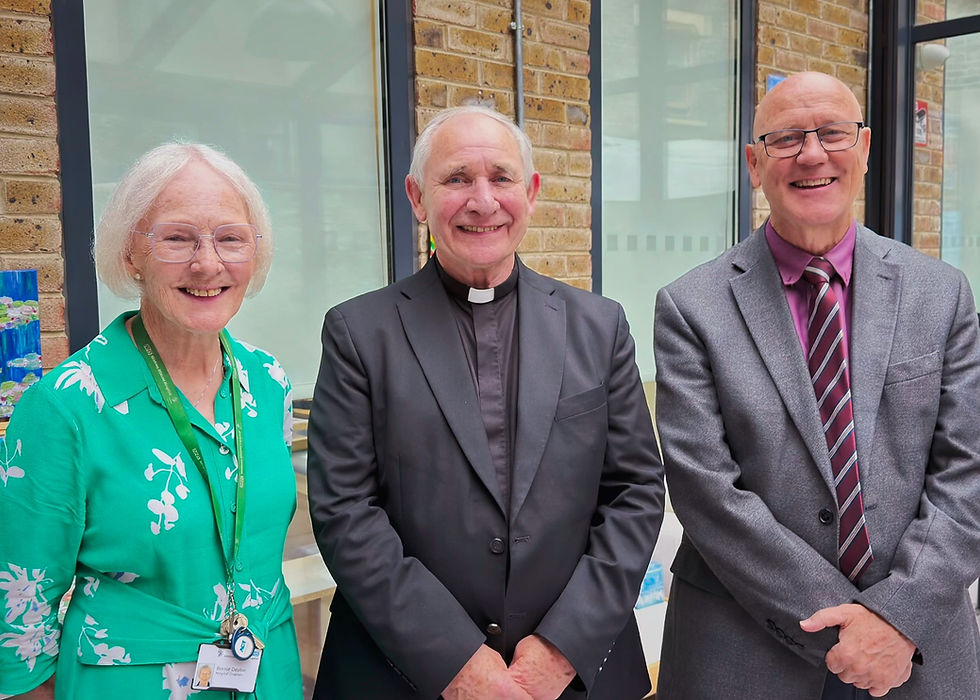
One of those people was Patrick, who served as a volunteer chaplain at Mildmay until 2023. He is deeply missed but remains a much-loved member of our community. His reflections offer a deeply personal glimpse into the AIDS crisis, the lives that were lost, and the extraordinary sense of belonging that has always been at the heart of Mildmay's work.
In his own words, Patrick recalls what he witnessed, the friends he lost, and why Mildmay continues to hold such a special place in his heart.
“For some reason, I always felt that a cautious welcome was extended to visitors. On reflection, I realised that the staff nurses and carers were protecting and shielding their patients. Back then, there was a tremendous stigma attached to this disease. Negative, homophobic comments abounded, including ‘the gay plague’.
My early memories of entering the ward was that those young patients appeared so aged and gaunt, with sunken cheeks and haunted, dark-rimmed eyes. I recall that the wards were bedecked with old-fashioned iron bedsteads, which were nonetheless covered with pristine white sheets and counterpanes.
I first came to London in the 1970s to undertake a Cert. Ed course at Garnett College and subsequently got a job teaching in one of the Central London colleges. My subject area included Food Service, which led eventually to running a training restaurant with around 80 guests a day. In this particular line of work, I came into contact with many people from the gay community, particularly students who were working in the hospitality industry.
At the time, I was living in a shared house with a few others, including one guy who was gay, into leather and doing the rounds of various gay pubs. We eventually entered into an on/off relationship, leading to us buying a flat together. My friend and many others in the gay community were overt in expressing their sexuality but in all honesty, as a practising Catholic, I was very confused. The pastoral approach which is now so compassionate and given with care and understanding, had not yet been developed.
Like so many other churches, generally speaking, the negative attitude to those who were seeking advice and support from their own particular faith group engendered a great deal of hurt and feelings of rejection. However, in spite of the church’s legal approach at the time, there were many non-judgemental individuals who would welcome them and help them to embrace their sexuality.
Eventually, after selling my flat, my friend and I had enough money to buy separate properties. Part of our ongoing social life included visiting gay-friendly pubs and, as a result, our own circle of friends increased and multiplied.
During the AIDS Crisis, a large number of people whom we met and knew well came to need palliative care and ultimately died at Mildmay. Many funerals took place; some of which had few mourners, as undertakers and clergy were reluctant to be involved.
There was the additional pain of watching my dear friends dying after a prolonged illness (and related illnesses) which rendered them skeletal and helpless. When my own personal friend died, the impact on his family, including a sister and nieces, was massive, but they did acknowledge him to have been a generous son, brother and uncle.
Many times now, when approaching Mildmay, these thoughts enter my mind and heart. However, they are soon dispelled by the warm welcome on arrival and the greetings and exchanges with patients and staff in the wards and offices. My biggest problem at times is remembering everyone’s names. But no matter, I try to ensure that I extend a ‘hello’ to everyone.
The chapel at Mildmay is a beautiful place to share worship and also a place to reflect. Weather permitting, the Mildmay Garden (including ‘Smoker’s Corner’) is an invaluable outdoor space, so lovely for both patients and staff.
It is so inspiring when the members of the Mildmay chaplaincy team gather for meetings – Zoom ones presently! We come together from our various diverse backgrounds and churches but the thing that ties us together most is our commitment to our beloved Mildmay.
Patrick G
Recorded in 2022
Patrick's story shows us that compassion can be expressed in many ways: through clinical care, friendship, advocacy, volunteering and prayer. Together, these acts of service helped create the sense of belonging that has long been part of Mildmay's mission.
We invite you to explore more of Mildmay's history, read other personal stories from our archives, and, if Mildmay has touched your life in any way, consider sharing your own memories with us.
Every story helps preserve an important part of our collective history. Together, they honour those we have lost, celebrate those who are still with us, and ensure that the lessons of the past continue to inform the care and compassion we offer today.
During Pride Month especially, Patrick's story reminds us that LGBTQ+ lives, relationships and communities have always been part of Mildmay's story. Their courage, resilience and humanity helped shape the hospital we are today.
If you have a memory or story about Mildmay that you would like to share, we would be delighted to hear from you.


Comments